

The mini gastric bypass, also called one-anastomosis gastric bypass (OAGB), is a powerful weight-loss and diabetes operation. It combines a smaller stomach with a bypass of part of the small intestine, using a single connection.
How does it work?
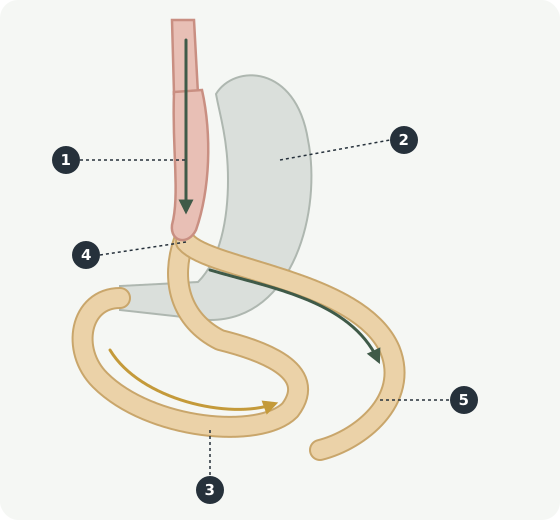
The green arrows show the path of food; the yellow arrow shows bile and digestive juices.
- A long, narrow stomach pouch. The upper stomach is divided to form a tube that holds a small amount of food.
- The bypassed stomach. It stays inside the body, is not removed, and keeps producing digestive juices.
- The bypassed intestine (150–200 cm). This loop carries bile and pancreatic juices but no food.
- The single connection. The pouch is joined directly to the small intestine.
- Where food and juices meet. Digestion and absorption continue from here onwards.
The operation works through three effects: you feel full with small portions; gut hormones change, which reduces hunger and strongly improves blood sugar; and some calories are not absorbed because food skips part of the intestine.
Who is it suitable for?
Weight-loss surgery is recommended for adults with a BMI of 35 or more, or 30–34.9 with type 2 diabetes or another metabolic disease (ASMBS/IFSO 2022). The mini bypass is often considered for:
- people with type 2 diabetes, especially if it is difficult to control
- people with a higher BMI who need strong, lasting weight loss
- patients whose sleeve gastrectomy didn't give enough weight loss, or who have regained weight
It may be less suitable for people with significant reflux, inflammatory bowel disease, or those who will find it hard to take vitamins and attend blood tests regularly. Smokers must stop before surgery.
The operation step by step
- Before surgery: blood tests, ultrasound, often an upper endoscopy, and a 1–2 week low-calorie diet to shrink the liver.
- The operation: laparoscopic, through 4–5 small incisions under general anaesthesia, usually around 1–2 hours.
- Hospital stay: usually 1–2 nights, walking the same day.
Expected results
Most patients lose 70–80% of their excess weight within 12–18 months. The effect on type 2 diabetes is one of the strongest of any operation, and many patients reduce or stop their medicines under medical supervision. Blood pressure, cholesterol, fatty liver and sleep apnoea also often improve.
If you take insulin or diabetes tablets, never adjust them yourself: blood sugar can drop quickly after surgery, so we adjust doses with you.
Risks
- Bile reflux: bile can flow up into the pouch, causing burning, bitter taste or vomiting. It is usually treated with medication; a small number of patients need a second operation to convert to a classic bypass.
- Ulcer at the connection (marginal ulcer): more likely with smoking and anti-inflammatory painkillers such as ibuprofen or diclofenac. Avoid both.
- Nutritional deficiencies: iron, vitamin B12, calcium, vitamin D and, rarely, protein. These are prevented by lifelong supplements and regular blood tests.
- Dumping syndrome: sweating, palpitations or dizziness after sugary food.
- Leak, bleeding and blood clots: uncommon early complications, monitored closely after surgery.
- Gallstones, linked to rapid weight loss.
Life after a mini bypass
You follow the same four diet stages as for other bariatric operations, avoid sugar and sweetened drinks to prevent dumping, and take vitamins for life: usually a multivitamin, B12, iron, calcium and vitamin D. Blood tests are done at 3, 6 and 12 months, then yearly. Pregnancy should wait 12–18 months, and the contraceptive pill may be absorbed less well, so a coil or condoms are preferred.
Our bariatric patient guide explains each stage week by week.
How does it compare with other operations?
| Sleeve gastrectomy | Mini gastric bypass | Classic (Roux-en-Y) bypass | |
|---|---|---|---|
| How it works | Smaller stomach + lower hunger hormones | Narrow pouch + bypass of 150–200 cm of intestine | Small pouch + bypass of part of the intestine |
| Intestinal connections | None | One | Two |
| Typical excess weight loss | 55–70% | 70–80% | 60–75% |
| Effect on type 2 diabetes | Good | Very strong | Very strong |
| Reflux | May get worse | Bile reflux possible | Best choice for reflux |
| Vitamins | Lifelong | Lifelong, closer monitoring | Lifelong, closer monitoring |
| Reversible | No | Yes, can be revised | Technically possible, rarely done |
Read more: Sleeve gastrectomy · Classic gastric bypass · Laparoscopic vs open surgery
Is a mini bypass right for you?
The choice between a sleeve, a mini bypass and a classic bypass depends on your weight, diabetes, reflux, medicines and lifestyle. We review all of this together in your consultation.
Book an assessment or message us on WhatsApp.
This article is for patient education and does not replace a medical consultation.
References: Eisenberg D, et al. 2022 ASMBS and IFSO Indications for Metabolic and Bariatric Surgery. Surg Obes Relat Dis 2022. · Robert M, et al. One-anastomosis gastric bypass vs Roux-en-Y gastric bypass (YOMEGA). Lancet 2019.